HOW TO BOOST HAIR GROWTH: THE BEST SHAMPOOS and Oils

In the hustle of our daily grind, it’s easy to neglect the health of our hair and end up with hair loss. If you’re not already worried about the ball of hair clogging the drain in your bathroom, it’s about time you start. Plus, it’s the busiest time of the year, so who really has the time and energy to play around with home remedies, right? Thankfully, opting for hair growth shampoos is a pretty reliable alternative. The best shampoos for hair growth is one that contains all the right ingredients required for nourishment.

NATURAL INGREDIENTS FOR HAIR GROWTH

1. ALOE VERA

Aloe vera is a known remedy to nourish your scalp as well as your hair. For starters, aloe vera is packed with vitamins that nourish hair and boost growth. It’s also rich in amino acids and fatty acids, which automatically makes it an ideal ingredient for shampoos and other haircare products.
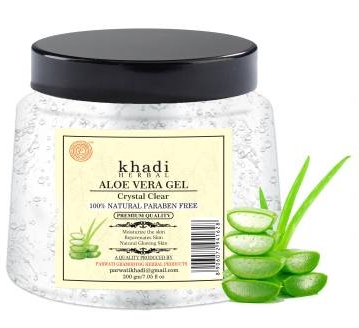
Recommends: The Khadi Aloe- Vera is an excellent hair growth and thickness-boosting shampoo as it’s enriched with the natural goodness of aloe vera and also contains no harsh chemicals.

2. CASTOR OIL

When it comes to hair growth, castor oil is the quintessential ghar ka nuska. Regularly oiling your hair with castor oil can stimulate blood circulation in your scalp and promote hair growth. Being rich in fatty acids also makes castor oil a great natural ingredient as it can deliver the necessary nutrients to the follicles.

Recommends: The Zenvista Meditech Shampoo Bar is chemical-free, moisturises your locks, and also boosts hair growth thanks to its potent ingredients.

3. COCONUT OIL

There’s no way you can be living in an Indian household and not have a bottle of coconut oil somewhere in your bathroom (or your kitchen). Massaging your hair with coconut oil every week can help moisturise your hair while also reducing protein loss, thereby ensuring that your strands remain healthy and nourished.
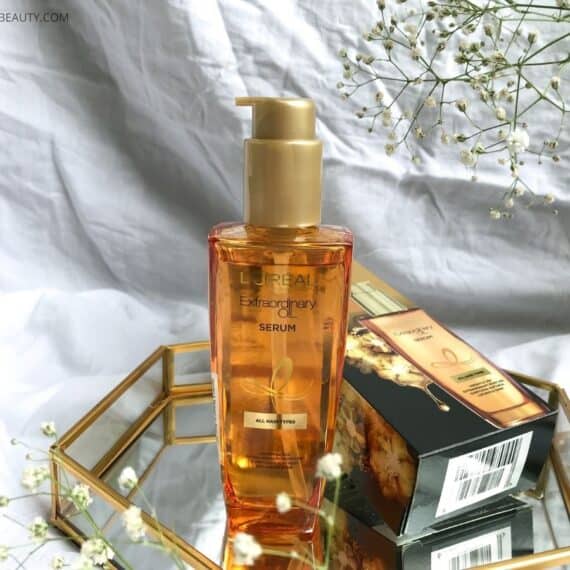
Recommends: The L’Oreal Paris 6 Oil Nourish Shampoo is power-packed with six nourishing hair oils

4. ONION JUICE

There’s anything getting in the way of you and hair growth, it’s probably the awful smell of onion juice. But don’t let that thwart your plans because onion juice can really do wonders. It’s known to improve blood circulation and blood flow to the cuticles, thereby promoting growth. All you have to do is blend an onion and apply the juice to your hair and scalp. Leave it on for 15 to 30 minutes and wash it was with shampoo.

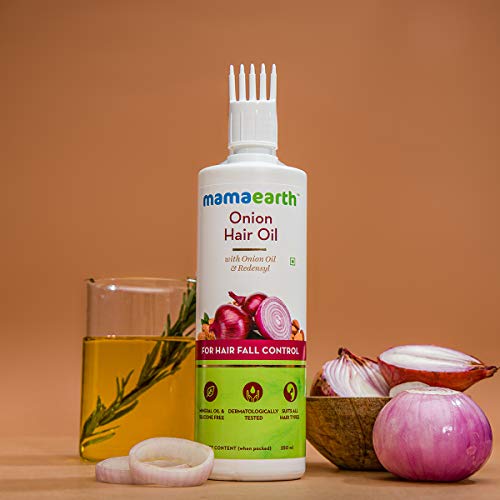
Recommends: Mama Earth Onion Shampoo For Hair Growth & Hair fall control with onion & Plant Keratin.
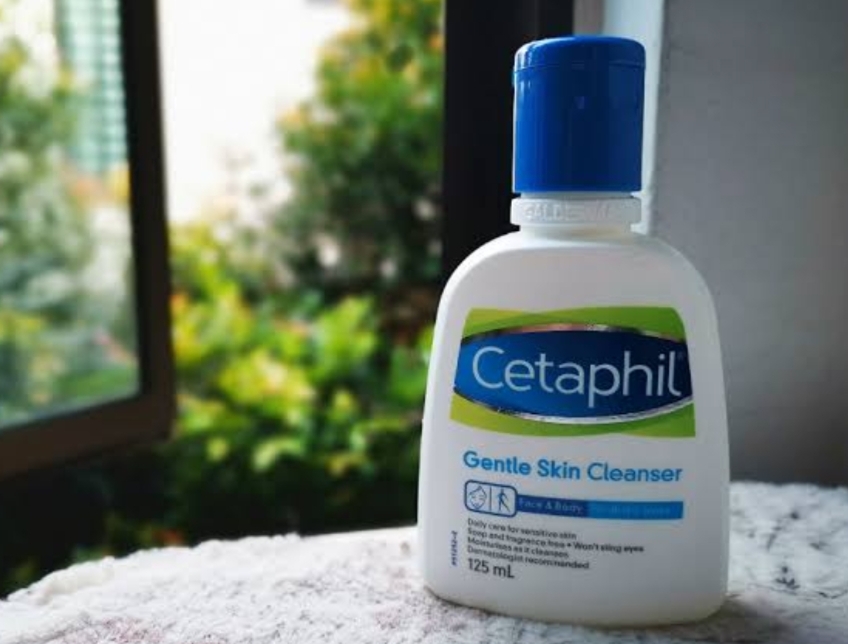
AT YOUR RESCUE: BEST FACE WASH FOR DRY SKIN

Dry, itchy skin got you losing your mind? The onslaught of dry season only adds to the troubles thanks to the questionable formulas you have been slathering on your skin. Don’t get us wrong, but the last thing you want to do is suck away the last traces of hope (read: moisture) when cleansing.

If your skin is not healthy, it shows. The skin needs simple and adequate care along with a number of nutrients to stay healthy and radiant. Include elements on daily pollution assault and the effect of stress and lack of sleep on individual’s skin health. This product is for everyday use, so it should solve everyday problems.

Cetaphil Gentle Skin Cleanser

That being said, it’s never too late to switch to a face wash that finally frees your face from feeling like a sandpaper. What your skin needs is a face wash that will wipe away the dirt of the day while restoring hydration that’s been lost, back into your skin.

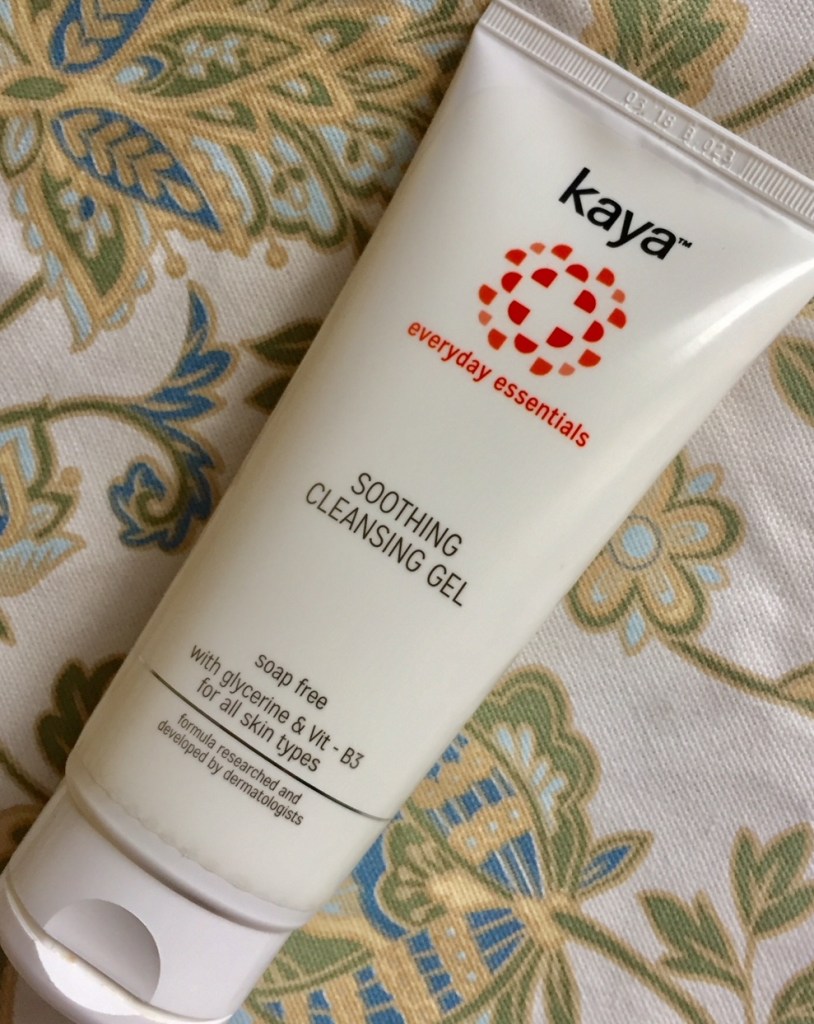
Kaya Soothing Cleansing Gel

The best cleansers can also be wallet-friendly. “This creamy formula held up against five different tests of skin dryness and sensitivity,” she says. “It hydrates as it cleanses and helps soothe sensitive and/or irritated skin.”

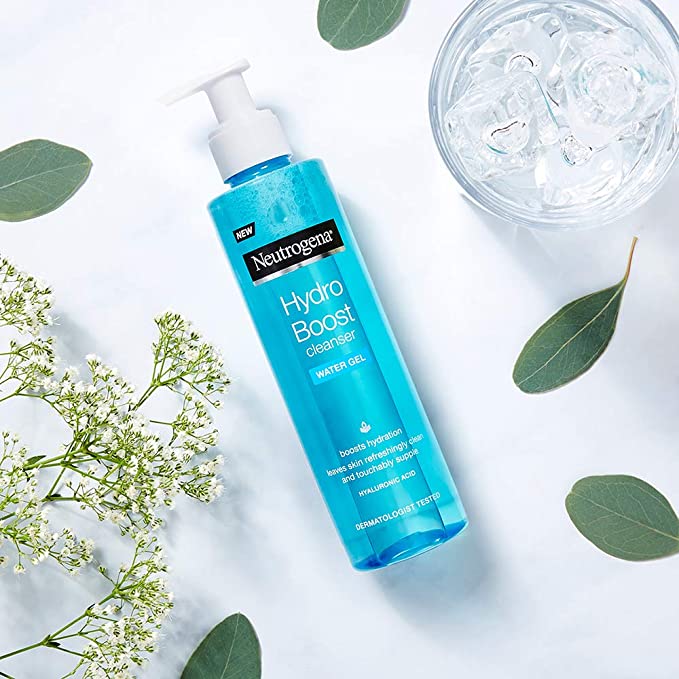
Neutrogena Hydro Boost Cleanser Water Gel with Hyaluronic Acid

Refresh and purify your skin with Neutrogena Hydroboost Water Gel Cleanser, a hydrating gel cleanser that activates with water to gently lift away dirt, makeup and oil from the complexion. Providing skin with a boost of essential moisture, the face wash utilises patented cleansing technology and hydrating Hyaluronic Acid to effectively cleanse away impurities whilst protecting the skin’s barrier.

HONEY FOR SKIN THAT’S SMOOTH AND RADIANT

A delicious pancake topping, a healthy replacement for sugar, a remedy for sore throat— when it comes to the culinary world, there’s just so much honey can do! Well, then it shouldn’t come as a surprise that honey is considered a pretty top-notch ingredient in the skincare universe too. Acne, dryness, pigmentation and more— there are just so many ways to use honey for your face.

Sourced directly from the buzzing bees of the wild, it’s an established fact that honey is good for face. Its natural healing properties make it a reliable home remedy for many skin related issues like acne and pigmentation. Using honey for your face is totally recommended provided you know how to apply honey on the face.

So, read on to know everything there is about honey skincare.

HONEY BENEFITS FOR SKIN

Before you get into the habit of applying honey on your face every day, it’s best to get your facts straight about what makes honey such a skincare essential. So, let’s look at all the different uses and benefits of honey for skin.

• Its antibacterial and antifungal properties, many people use honey for acne breakouts. Honey can both prevent as well as heal breakouts.

• Have you noticed the recent surge in the popularity of honey beauty products? Well, this kitchen essential is a natural humectant, meaning that it has the ability to retain moisture. Hence, honey is good for dry skin as it can ensure adequate hydration and moisturization.

• Rich in antioxidants, honey can also repair damaged skin and fade scars.

• Regular usage of honey can help exfoliate the skin and get rid of dead cells, thereby adding a natural glow to your face!

WHY HYALURONIC ACIDS NEEDS TO BE A PART OF YOUR SKINCARE ROUTINE

It’s not just the cold winter weather that scares our skin. Most of us have started going back to work, thus being more exposed to the sun, commuting with pollutants, and sitting in a freezing centralised AC building all day long—invariably our skin is having to deal with environmental aggressors all over again. It’s time to prepare our skin to hold on to hydration, collagen promoting minerals and protect it against the damage-causing external factors.

Solution: Hyaluronic acid.

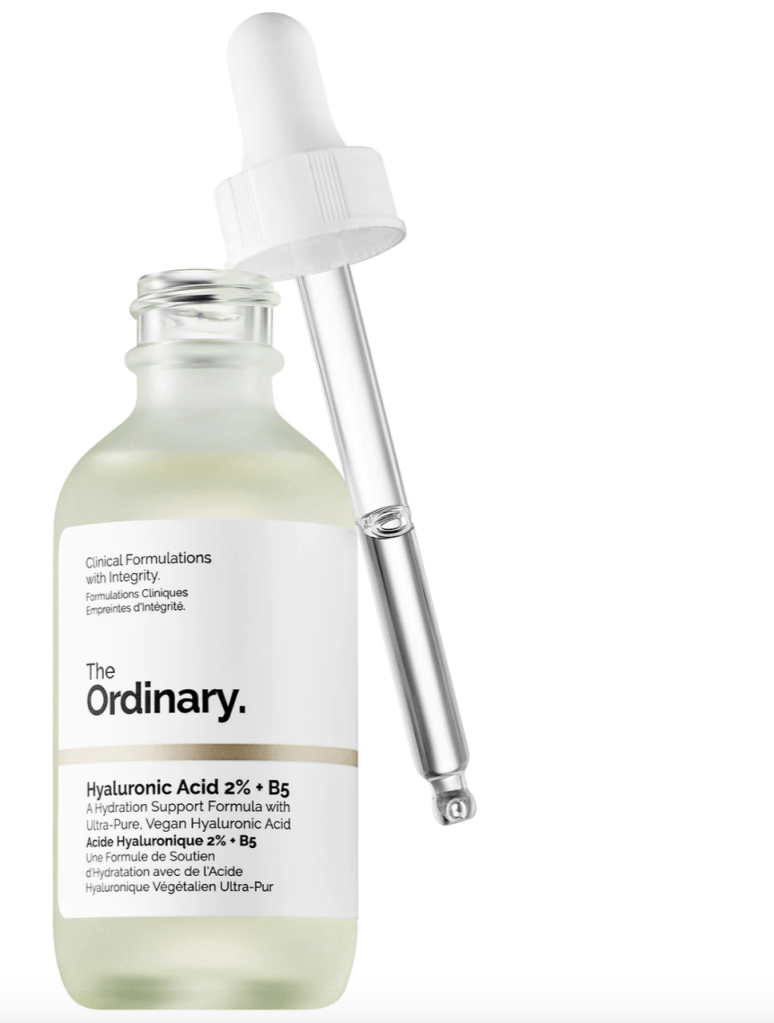
This hydrating, skin-plumping, anti-ageing ingredient has taken over the skincare industry and for good reason. We spoke to dermatologist Dr Rickson Pereira, from Dr Rickson’s Dermatherapie Clinic, to know more about this miracle acid, what works best with it and why you should add it to your routine right away.

HA is the main component of what gives your skin structure, and is responsible for that plump and hydrated look. You may have heard the chatter around collagen, but hyaluronic acid is where it’s at.

The key benefit of hyaluronic acid is hydration and that unbelievable ability to retain moisture. To understand how important moisture is for the skin, you have to first know that dehydrated skin — when the top layer of skin doesn’t have enough water — appears dry, rough, and flaky, Marchbein says.

NEW ON THE SHELVES: COSMETICS BLACK MAGIC RANGE

If you’re a makeup hoarder (like me) you would know that not every shade of black is the same. Especially with eye makeup, you can easily spot the difference between shades of black if you’re wearing a kajal and an eyeliner. And it’s always the deepest, darkest, extreme black that works best.

Bless our luck, because we now have a range of stunning eye makeup in one intense shade of black: Nyka Cosmetic just dropped the Black Magic to add to their collection of Black Magic Kajal, Liquid Liner and Gel Eyeliner. This waterproof, smudge-proof, transfer-proof, long-wear range is all you need to create several dark, dramatic looks, including cat eyes, winged eyes, floating eyeliner looks, double flicks, smoky eyes and more.

The all-new mascara is a complete value for money. The extreme black pigment doesn’t budge or run under water, and the formula glides onto your lashes without making them look clumpy or overly made up.

All the products are exactly the same shade of black and go very well with each other.

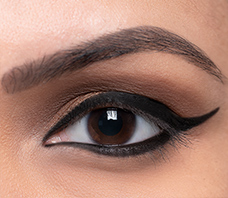
We tried out a simple yet stunning winged- eyes look. First, we swiped on the kajal on our lower waterline, added some drama with the gel liner on the upper lash line. One stroke of mascara amped up our lashes, and we added the final touch with the liquid liner for wings.

You can even multitask with these products. The liquid and gel liners can both be used to create lower line wings or double flicks, and the kajal works perfectly for a smokey kohl look with a little bit of blending.

Common Winter Skincare Myths Busted!

The internet offers countless remedies and advice columns, that may or may not be reliable. Come winter, as our skin starts to act up, our curiosity gets the better of us. At some point, we’ve all stayed up late trying to figure out the reason for the dry patches on our skin. But in this huge pool of information, is there a way to separate what’s true from what’s not? Well, we’re here to help debunk winter skincare myths that are actually damaging for your skin.

MYTH 1

Winter Means No Sunscreen

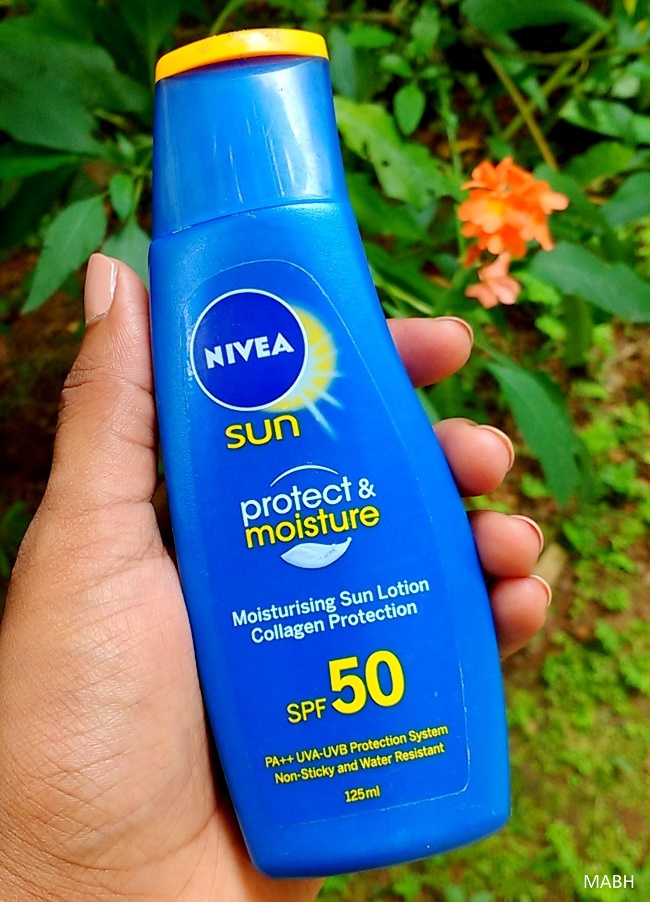
This is one of the most common skincare misconceptions and understandably so. Overcast skies can be misleading. Many of us grew up thinking that sunscreen was a beach day essential. However, that’s only partly true. Our skin needs SPF protection while sunbathing on the beach as well as on a gloomy winter day. The sun’s harmful rays are present all year long, regardless of how much sunlight there is. Even the darkest days call for a good amount of sunscreen layering. So, always make sure that sunscreen is a part of your winter skincare routine as well.Recommends: The NIVEA Sun Lotion, SPF 50, with UVA & UVB Protection, Water Resistant Sunscreen is a fast-absorbing protection formula that also prevents the appearance of wrinkles.

MYTH 2
Hot Showers Moisturise The Skin
In the world of skincare, a steamy shower is the ultimate guilty pleasure. It feels oh-so-good but is not skincare-friendly at all. Hot water can strip natural and essential oils from the skin, leaving it drier. At the same time, avoiding hot showers during winter is not really an option, is it? The solution then is to reduce the duration of your hot shower. The less time your skin is exposed to scalding hot water, the better. Additionally, try to use appropriate winter skincare products like creams and moisturisers specifically made for dry skin in winter. Recommends: The Mamaearth Ubtan Nourishing Cold Cream For Winter With Turmeric & Saffron For Glowing Moisturization is one of the best moisturisers for the winter months.

Recommends: The Mamaearth Ubtan Nourishing Cold Cream For Winter With Turmeric & Saffron For Glowing Moisturization is one of the best moisturisers for the winter months.

MYTH 3
My Skin Doesn’t Need To Be Exfoliated During Winter
Just like sunscreen, exfoliation should be a part of your skincare routine all year long. Exfoliation helps get rid of the dead cells on the surface of your skin, thereby allowing healthy and fresh skin cells to form. Regardless of the season, exfoliation is essential for healthy and nourished skin. Make sure to moisturise right after you exfoliate during winter.

Recommends: After exfoliating your body with the Nykaa Wanderlust Body Scrub, we recommend using the Vaseline Winter Glow Combo, that also comes withthe Vaseline body lotion and a moisturising cream that is designed for winter.

MYTH 4
Oily Skin Doesn’t Need To Be Moisturised During Winter
Oily skin or not, moisturisation is essential during winter because the air is very cold and dry. Moreover, every skin type needs a good moisturiser to create a protective shield against external factors like pollution and dust. For oily skin, light formula is ideal. You can go for lightweight, oil-free, or gel-based creams to ensure that your skin remains adequately hydrated despite the lack of moisture in the winter air.

Recommends: The Ponds Super Light Gel Oil Free Moisturiser With Hyaluronic Acid + Vitamin E is an excellent winter moisturiser for oily skin. It’s a lightweight formula that provides 24-hour hydration.

MYTH 5
Thick Creams Are More Moisturising
Many make the mistake of switching to thicker face creams and moisturisers during winter. However, what they don’t realise is that just because a product seems more concentrated, doesn’t mean it’s more moisturising. Moreover, your choice of winter moisturiser should depend on your skin type and its needs. If your skin needs extra hydration, it’s better to layer it with serum and a light moisturiser. On the other hand, if your skin is naturally dry, then using a concentrated moisturiser will help.

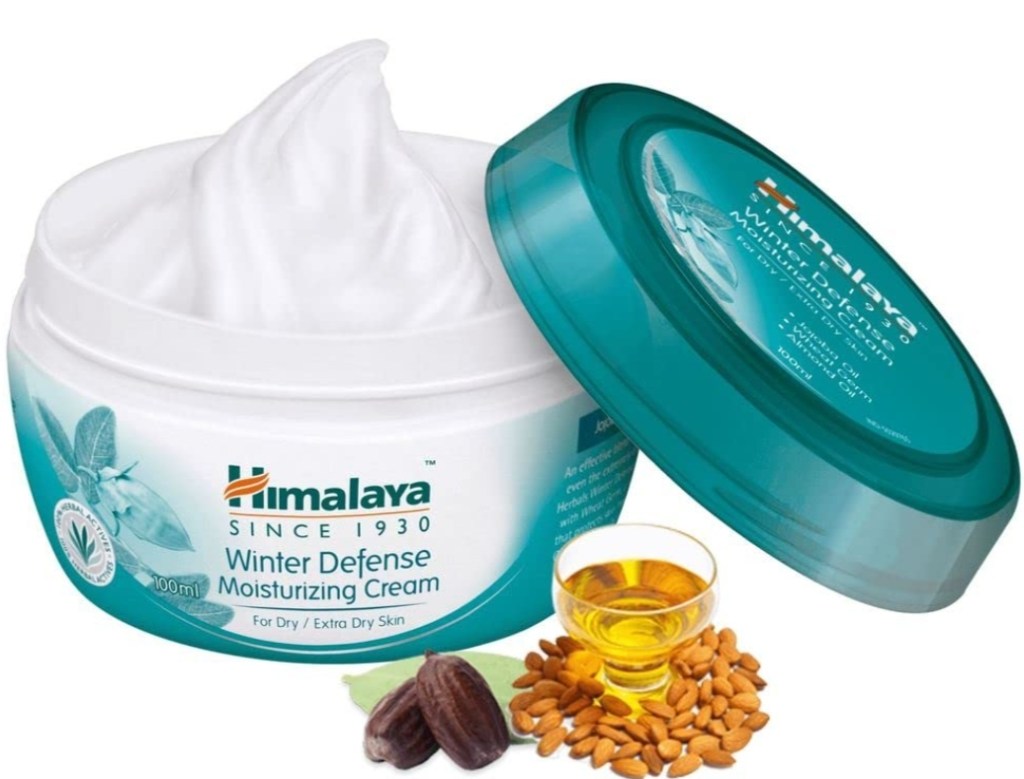
Recommends: The Himalaya Winter Defense Moisturizing Cream is a moisturising blend of herbal extracts which effectively targets and hydrates dry areas on your skin.

MAKEUP PALETTES TO MATCH YOUR YEAR-END PARTY MOOD

It’s time for the year-end parties to begin. Our goal? We want to look more glamorous than we have all year. Our list includes some vivid tropical colours, a few artsy midnight starry looks and a lot of  glitter and shimmer. We’re thinking of everything from bold reds on our lips to dark nudes and deep winter violets. And to perfect these looks, we’re trying them out with the coolest makeup palettes Nykaa has to offer. Scroll on to find some stunning palettes and the various looks you can create with them!

MAYBELLINE NEW YORK CITY MINI PALETTE – BROOKLYN ORANGE

Hues of a setting sun, this palette offers  dull pinks and vivid oranges. Merge the deep yellow gold with the brick rust and chocolate for a pop look that will create a stunning statement look. You can even try a yellow floating liner to go with it.

KAY BEAUTY EYESHADOW PALETTE – SELF LOVE

Mulled WineA warm winter palette, you will find deep rusts, berries and shimmery plum hues to create a romantic yet bold look. Pair these shades with a matte nude lipstick and a subtle blush to complete the look.

NICKA K 21 COLOR EYESHADOW PALETTE – SPICED UP

Winter always pairs best with some warm spices. Add this palette to your party essentials for some cinnamon, pumpkin, ginger inspiration to your colour theme. The look will be bold and vivid, so wear something subtle for the lips in dull corals or peach.

MAKEUP REVOLUTION FOREVER FLAWLESS CHILLED WITH CANNABIS SATIVA EYESHADOW PALETTE

Who doesn’t like a magical, dream-like calm in your makeup look? Use this palette to create dark yet soothing looks with subtle green shimmers, golden browns and jungle darks. Think of smoky-green eyes, bronze cheekbones and a deep chocolate lip colour.

Anuj Nayyar Military officer

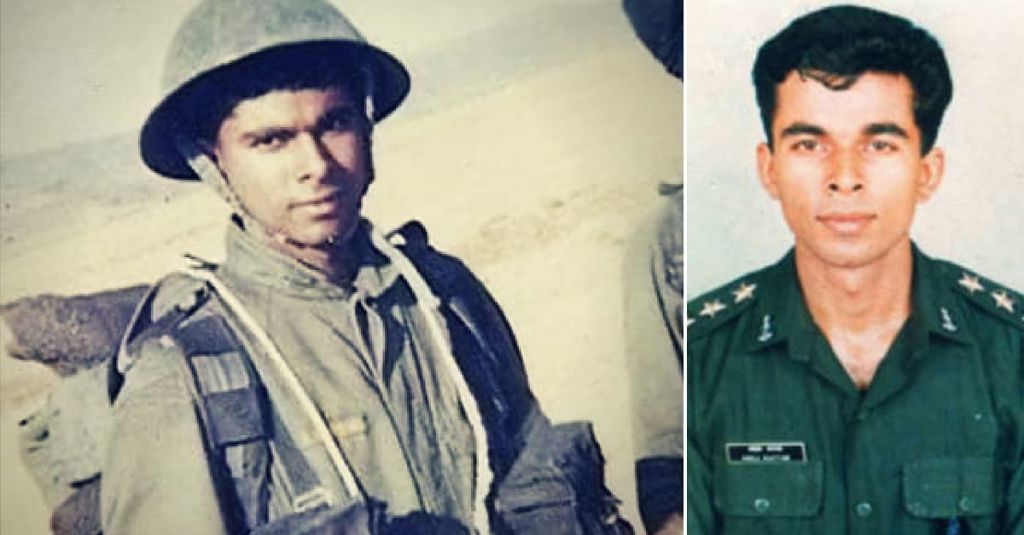
Captain Anuj Nayyar, MVC was an Indian Army officer of 17 Jat who was posthumously awarded the Maha Vir Chakra, India’s second highest gallantry award, for exemplary valour in combat during operations in the Kargil War in 1999.

Source : Google

Capt Anuj Nayyar was born on 28 Aug 1975 in Delhi and also grew up there. His father, S K Nayyar, worked as a visiting professor in Delhi School of Economics while his mother, Meena Nayyar, worked for the South Campus library of Delhi University. Capt Nayyar finished his schooling from Army Public School, New Delhi and belonged to the 1993 batch. He was a bright student who consistently performed well in academics as well as sports. He graduated from the National Defence Academy (90th course, Echo Squadron) and later was commissioned into the 17th Battalion of the Jat Regiment in June 1997.

Kargil War: 07 July 1999

During 1999, Capt Anuj Nayyar’s unit was deployed in J & K along the LOC. In 1999, the Indian Army detected a massive infiltration by the Pakistani military and paramilitary forces in the Kargil region of Jammu and Kashmir. The army quickly mobilized its forces to drive out the Pakistani infiltrators from Indian territory. Capt Nayyar, a junior commander in the 17 Jat Regiment, was one of the more than 500,000 Indian troops deployed in the region. His first major operation involved securing Pt. 4875, also known as Pimple II, a strategic mountain peak on the western side of Tiger Hill which was occupied by Pakistani infiltrators. Due to its strategic location, securing Pt. 4875 was a top priority for the Indian Army. The peak, which stood at 15,990 feet above sea level, had extremely steep slopes. The eviction of Pakistani regulars from Pt 4875 in Kargil was crucial if Tiger Hill had to be recaptured. Capt Nayyar’s Charlie Company was given the task to secure the peak without waiting for any aerial support on  07 July 1999.

During the initial phase of the assault on Pt. 4875, Capt Nayyar’s company commander Maj Ritesh Sharma got injured and was evacuated. Capt Nayyar who had been promoted to the Captain’s rank during the Kargil war itself, took over as the company commander. After the initial setback, the assault team split into two groups, one led by Capt Vikram Batra and other by Capt Nayyar. The Pakistani infiltrators had constructed several bunkers on Pt. 4875 and Capt Nayyar’s team, which consisted of 7 personnel, located 4 enemy bunkers. The company began to ascend Pt. 4875 during which it came under heavy artillery and mortar fire from Pakistani infiltrators. However, the troops counter-attacked, which also included hand-to-hand combat, forcing the Pakistani soldiers to retreat. During the battle, Capt Nayyar killed 9 Pakistani soldiers and destroyed three medium machine gun bunkers.

Under Captain Nayyar’s leadership, the company had successfully cleared three of the four bunkers and began its assault on the last remaining bunker. While clearing the fourth bunker, an enemy rocket-propelled grenade directly hit Capt Nayyar. Despite being grievously injured, Capt Nayyar continued to lead the remaining men in his company. He succumbed to his injuries but not before clearing the last bunker on Pt. 4875. None of the soldiers from Capt Nayyar’s team of Charlie Company survived the battle. Two days after Pt. 4875 was secured, it was counter-attacked by Pakistani infiltrators during which the second team of the Charlie Company, led by Capt Batra, successfully defended the peak. The securing of the Pimple Complex area paved the way for the recapture of Tiger Hill which finally forced Pakistan to retreat its forces to pre-conflict positions.

Capt Nayyar showed extreme courage and grit in the face of the enemy while leading from the front in dire circumstances. His courage and leadership was an inspiration to his troops. He had such a deep impact on his troop members that Tejbir Singh, a fellow soldier of the Jat Regiment, named his son Anuj in honour of Capt Anuj Nayyar. Capt Anuj Nayyar was given the nation’s second highest gallantry award, ” Maha Vir Chakra” for his exceptional courage, unyielding fighting spirit, and supreme sacrifice.

Sino-Indian War 20 Oct 1962 – 21 Nov 1962

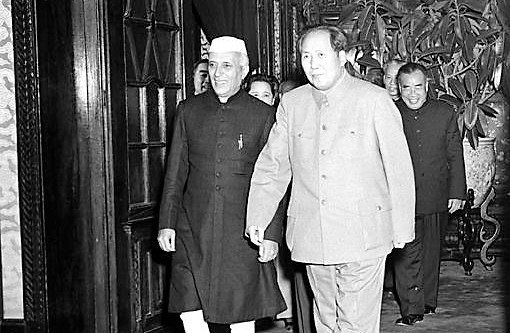
The Sino-Indian War between China and India occurred in October–November 1962. A disputed Himalayan border was the main cause of the war. There had been a series of violent border skirmishes between the two countries after the 1959 Tibetan uprising, when India granted asylum to the Dalai Lama.

Source : Google

India never suspected that China would ever launch an attack, but it did. India was attacked on October 20, 1962 in what famously came to be known as Sino-India war of 1962. The belief of not ever being attacked by China did not let the Indian army prepare and the result was the standoff between 10,000-20,000 Indian troops and 80,000 Chinese troops. The war continued for about a month and ended on November 21, after China declared a ceasefire.

With a three-week ceasefire, the war lasted till November 21, when China unilaterally withdrew from Indian territories before the snow could block safe passage to its forces. Around 3,250 Indian soldiers were killed. India lost about 43,000 square kilometres of land, captured by China in Aksai Chin. It is of the size of Switzerland.

The Panchsheel was enunciated in the preamble to the Agreement (with exchange of notes) on trade and intercourse between Tibet Region of China and India. It was signed at Peking on April 29, 1954.

On July 1, 1954, former Prime Minister Jawaharlal Nehru stated in a note, “All our old maps dealing with the frontier should be carefully examined, and where necessary, withdrawn. New maps should be printed showing our northern and northeastern frontier without any reference to any ‘line’. These new maps should also not state there is any undemarcated territory.”

“Both as flowing from our policy and as a consequence of our Agreement with China, this frontier should be considered a firm and definite one which is not open to discussion with anybody,” Nehru added.

Zhou Enlai proposed ceasefire and offered a negotiated settlement. Enlai suggested that both India and China should disengage and withdraw their troops 20 km behind the present lines of actual control. Enlai proposed Chinese withdrawal in Arunachal Pradesh (NEFA) while suggesting that India and China should maintain status quo in Aksai Chin.

Zhou Enlai wrote another letter to Nehru making the same proposal. But, Nehru rejected the proposals saying that Chinese claim on Aksai Chin was illegal. Meanwhile, Soviet Union changed its stance from pro-India to say that the McMahon line was the notorious result of British imperialism. This is exactly China stated.

Parliament passed a resolution to “drive out the aggressors from the sacred soil of India.” Finally, on Nehru’s birthday – November 14, Sino-India war resumed. A week later, China declared unilateral ceasefire ending the war having occupied the Aksai Chin and withdrawn from the northeastern territories, where its forces had come down till Tezpur in Assam.

The 1962 war was jolt to India and Nehru. This led to reversal of defence policy of the country putting the Indian Army on the path of modernization. The greater emphasis on nuclear power and use of nuclear weapons became part of India’s defence policy.

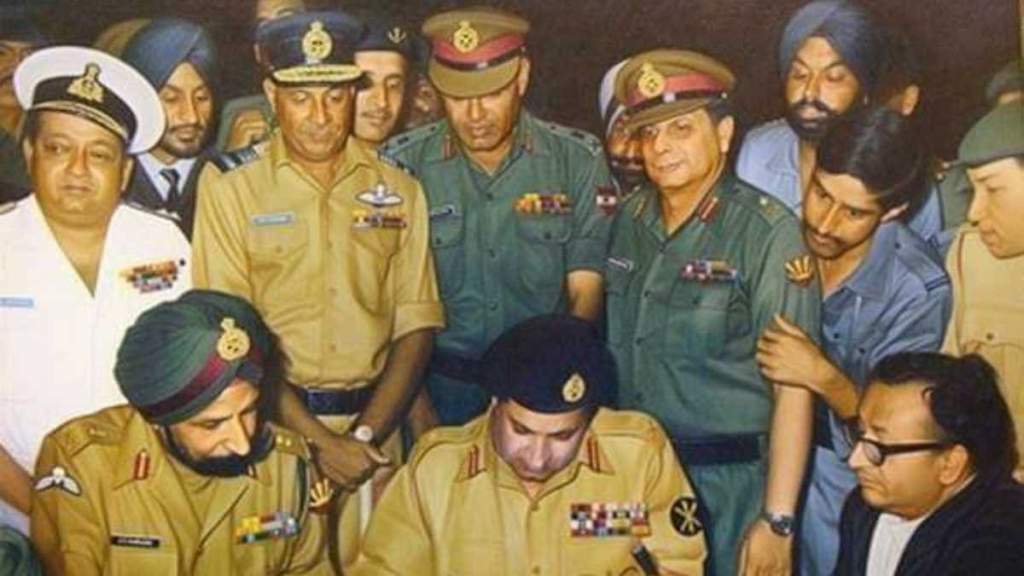
Indo-Pakistani War of 19713 Dec 1971 – 16 Dec 1971

The Indo-Pakistani War of 1971 was a military confrontation between India and Pakistan that occurred during the Bangladesh Liberation War in East Pakistan from 3 December 1971 to the fall of Dacca on 16 December 1971.

Source: Google

The first was a domestic conflict between Pakistan’s ethnic majority Bengalis, who dominated East Pakistan, and the ruling elite in West Pakistan. This conflict was apparent as early as 1952 when Bengalis began mobilising to force the State to recognise Bengali as a national language. On 21-22 February that year, the Pakistani armed forces murdered several students as well as numerous others in indiscriminate fire. This internal conflict precipitously expanded after the ruling junta of General Yahya Khan refused to convene Parliament following the 1970 elections in which the East Pakistan-based Awami League, led by Sheikh Mujibur Rahman, decisively defeated Zulfiqar Ali Bhutto’s Pakistan Peoples’ Party.

The consequences of these elections were monumental because the victors were tasked with writing Pakistan’s third constitution. Mujibur Rahman’s party, under the banner of the Six Point Agenda, had long advocated for greater federalism; separate convertible currencies; fiscal responsibility to be delegated to the federating units; as well as the right to maintain a separate militia. Each of these demands came in response to the west’s cultural, economic, and linguistic oppression; exclusion from the military and bureaucracy; as well as consistent and calibrated efforts to deprive Bengalis of their legitimate share of political power. The political elites in the West, spearheaded by General Yahya and Zulfiqar Ali Bhutto, wanted a strong federal government and found the Awami League’s Six-Point Agenda to be a thinly veiled demand for outright cessation.

Despite winning too few seats to veto any constitution offered by the Awami League, Zulfiqar Ali Bhutto refused to let his party participate in any convening of Parliament and made absurd demands for a power-sharing agreement. After Mujibur Rahman refused to cede and insisted upon the Awami League’s right to form the government, General Yahya Khan commenced Operation Searchlight, which was a brutal and thuggish military operation to disarm the Bengalis.

As refugees began fleeing into India, the second phase of the war began: a proxy war between India and Pakistan. With the monsoon looming, India had few military operations at hand. Given the riverine terrain of Bangladesh, any military operation had to wait until the monsoon was over. To ensure that China would not intervene on its client’s behalf, India would have to wait until winter when snow would preclude Chinese movements through the mountain passes. In addition to these meteorological and geographical constraints, India was ill-equipped to undertake military action in the spring of 1971. India used the summer to reposition forces from the west to the east and construct necessary infrastructure to support military operations while seeking diplomatic support from Russia and imploring the United States to counsel Pakistan to end what was clearly ethnic cleansing in East Pakistan.

US President Richard Nixon and his National Security Advisor, Henry Kissinger, were unmoved by India’s requests even though the United States did provide a significant amount of aid to subsidise in some measure the enormous and growing cost of caring for the refugees who continued to pour into India. Initially, while the refugees were both Hindu and Muslim, it increasingly became clear from West Pakistani forces’ violent actions that most of the refugees were Hindu Bengalis. At Independence, about one in four Pakistanis were non-Muslim minorities, most of whom were Bengali Hindus in East Pakistan.

When the war ended on 16 December 1971, Pakistan was vivisected with East Pakistan emerging as an independent Bangladesh. Some 93,000 Pakistani soldiers surrendered to the Indian Armed Forces and were taken to India as POWs. Pakistan lost more than half of its population and about 15 percent of its territory. However, 61 percent of the 54,500 square miles (1,41,154 sq km) of land lost in the East was arable, in contrast to a meagre 21 percent of the 310,000 square miles (8,02,896 sq km) it retained. All said and done, the Pakistan Army was reviled for losing the East, which allowed Zulfiqar Ali Bhutto to ruthlessly rule the west until General Zia-ul-Haq ousted him in a coup in July 1977